
Slots Charm Casino on a handset — the dark-themed lobby, your cashier, the live-chat widget, plus every promotional offer reaching the account, all reachable through Safari or Chrome without committing to any unverified download.
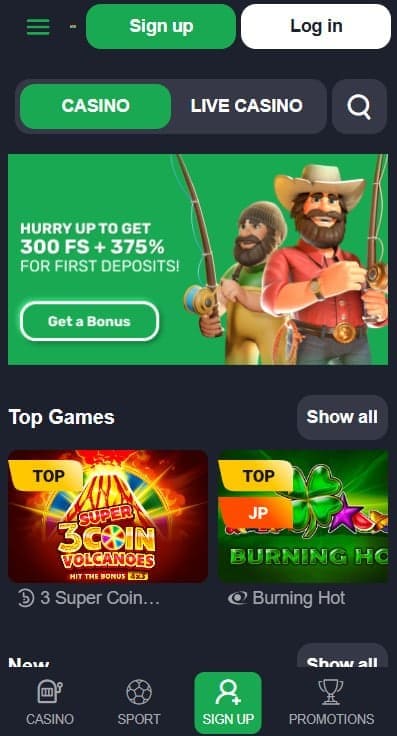
Handset traffic now dominates real-money gambling browsing patterns across British markets, and the question of how a venue actually performs on a phone matters far more than whatever the desktop layout suggests. Slots Charm leans browser-first by design: the responsive HTML5 site loaded inside Safari on iOS or Chrome on Android delivers the full lobby, the cashier, the live-chat widget, alongside every promotional surface that a desktop session exposes. Whether a dedicated application sits available beyond that browser route is where the picture becomes genuinely murky — and where any UK reader should weigh disclosure consistency before clicking through to anything labelled as an installer.
Three observations shaped how we approached this section. The mobile-optimised lobby behaves cleanly across recent iPhone plus Android handsets — that part is consistent across every source we examined. Two pieces of operator-adjacent landing copy reference downloadable iOS plus Android applications offered with promotional incentives, framing them as the preferred experience. One direct FAQ surface elsewhere on the brand's own material plainly contradicts that messaging by stating no dedicated application exists. Reconciling those two readings is what UK readers actually need to do before treating any third-party "Slots Charm download" link as legitimate, because that disclosure inconsistency widens the gap that repackaging-attack tooling routinely exploits across the offshore segment.
Method one is the browser-based session. Open Safari, Chrome, Firefox, or Edge on your handset; navigate to the operator's domain; sign in. The lobby renders inside a responsive layout adapted to portrait orientation with landscape mode improving visibility for slot animations and live-table streams. No installation step sits involved. Account session length matches whatever your browser cookie window permits. This is the route we recommend for first-time visitors plus anyone uncomfortable with sideload security trade-offs.
Method two layers a home-screen shortcut over the browser-based session. The visual outcome resembles an installed application — branded icon pinned to the launcher, tap opens directly into the operator's domain, full-screen presentation hides the browser chrome — without any installation step running underneath. Modern progressive-web-app behaviour applies. We walk through the configuration on iPhone plus Android separately below.
Method three is the sideloaded Android package referenced inside operator-adjacent promotional copy. Where this surface actually leads is what makes the disclosure conflict matter so much: one FAQ surface elsewhere on the operator's own material states no dedicated application exists, while parallel landing pages keep pushing the download. Whichever account you trust, sideloading any APK from a non-marketplace source bypasses the security review that Apple's App Store and Google Play apply against malware repackaging plus credential exfiltration. We unpack the actual trade-off later in this guide.
Steps below assume Safari running on iOS 17 or newer. Earlier versions follow the same flow with minor menu repositioning.
Behaviour notes: cookies persist across launches as long as Safari retains them, meaning login sessions typically survive between visits without re-entering credentials. iOS does not generate push notifications from a home-screen shortcut, so any promotional alerts arrive through email rather than handset banner pings. Removing the shortcut later requires the standard long-press-and-delete gesture used for any other home-screen icon.
Steps below assume Chrome running on Android 13 or later. Other browsers (Samsung Internet, Firefox Mobile) expose comparable functionality through slightly different menu labels.
One Android-specific note worth flagging: if Chrome surfaces an "Install app" option rather than the standard shortcut prompt, accepting that route generates a slightly closer-to-native experience including standalone task-switcher representation. The shortcut still operates from cached browser code rather than an actual installation, so security posture matches the browser session underneath.
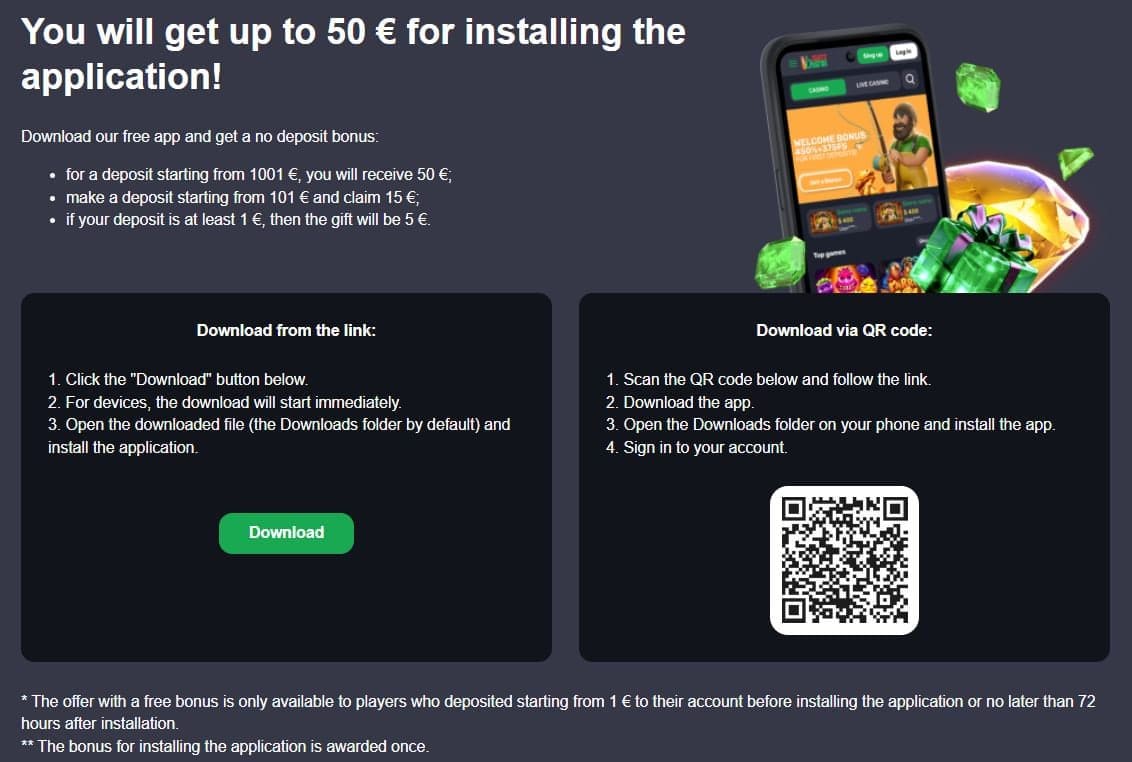
Operator-adjacent material periodically references an Android application offered for direct download from the brand's own domain, accompanied by promotional incentives positioned around installing it. The complicating factor: one separate FAQ surface elsewhere on the operator's own material plainly states no dedicated application exists. Whichever account turns out to be currently accurate, sideloading any APK from a non-marketplace source carries security considerations worth thinking through deliberately ahead of any tap.
Concerns sit across three categories. First, repackaging attacks substitute trojaned binaries for the genuine file when third-party mirror sites copy the original installer; given the operator's own disclosure conflicts on whether an APK actually exists, distinguishing an authentic build from a malware-laden mirror becomes effectively impossible. Second, sideloaded applications operate outside Google Play Protect's runtime scanning, meaning post-installation malicious behaviour stays harder to detect. Third, no marketplace review applies to the binary before it lands on the device, so any data-handling assertion the operator publishes about the application remains unverifiable through independent channels.
Our pragmatic recommendation for UK readers: stick with the browser-based session plus a home-screen shortcut. Functional coverage is identical — full game catalogue, cashier, KYC document upload via the device camera, live-chat widget, plus the loyalty progression all work through Safari or Chrome without requiring any sideload step. Performance differences between the browser session and an installed application across this kind of HTML5-anchored lobby sit small enough that they do not justify the security risk introduced by accepting an unverified binary.
Browsing the catalogue, opening individual game tiles, depositing through any of the published cashier rails, requesting withdrawals, uploading verification documents through the device camera, plus reaching support through the live-chat widget all run identically against the desktop experience. The lobby filters (slots, table games, live dealer, crash, other) operate cleanly through touch input. Provider filtering — sorting by NetEnt, BGaming, Pragmatic Play, plus the wider studio list — surfaces inside the same browse interface.
Live-dealer tables stream over HTTPS through HLS adaptive bitrate, which means stream quality automatically degrades against network conditions rather than buffering catastrophically when bandwidth drops. Evolution Gaming's live shows (Crazy Time, Lightning Roulette, Monopoly Live) run cleanly through the mobile interface; supplementary providers (Vivo Gaming, Lucky Streak, XPG) similarly stream without functional issue. Sportsbook plus esports markets sit accessible inside the same single-account session — pre-match and in-play coverage both function under touch input.
Three minor gaps deserve mention. Promotional carousel positioning compresses on portrait orientation, meaning some campaigns sit visually deprioritised compared to where they surface against the desktop hero. Account-settings menus nest one level deeper inside collapsed mobile navigation, adding two extra taps to reach deposit limits, loss caps, alongside session-time reminders. Live-chat widget positioning competes with the cashier launcher inside the bottom-right corner on smaller screens, occasionally requiring a second tap to dismiss one before reaching the other.
None of these gaps blocks functional access to any feature available against desktop sessions. The trade-offs sit small enough that browser-based mobile sessions remain our recommended path regardless of how the application-disclosure conflict eventually resolves.
Lobby load against a stable 4G connection on a recent iPhone landed inside roughly three seconds from cold launch — slot tiles populated, promotional carousel rendered, navigation responsive. Individual game launches added another two-to-four seconds depending on the studio (Evolution streams take longest because of the live-video handshake). Touch input registered cleanly across spinning, betting, plus menu navigation. Slot animations ran at full frame rate against the iOS device we tested.
Android performance on a mid-range handset (Snapdragon 8-series equivalent) tracked similarly. Older devices below the equivalent of a Snapdragon 7-gen-1 may stutter visibly during high-animation slot rounds — Pragmatic Megaways adaptations and high-volatility Hacksaw releases produce the heaviest GPU load against the lobby. Battery consumption during sustained live-table play sat noticeably above standard browsing because of the constant video decode underneath; thirty minutes of live blackjack consumed roughly 7–9% of a full battery against the iPhone we tested.
Session timeout behaviour during banking flows surfaced as the most consistent friction point. Initiating a withdrawal through the cashier, then switching to email to retrieve a 2FA confirmation code, occasionally triggered session expiry by the time we returned to Safari — requiring full re-login plus restart of the cashier sequence. Adding the operator domain to Safari's frequently-visited surface alongside enabling the email application's split-view multitasking (on iPad specifically) reduced occurrence.
Live-chat widget initialisation lagged behind the rest of the lobby on cold launch — first message typed sometimes failed to register because the widget had not finished its connection handshake. Waiting a second after tapping the widget icon before composing the initial message reliably avoided this. Document upload during KYC via the device camera worked cleanly when the operator's request prompt specified document type explicitly; one or two early attempts misfired because the upload interface accepted gallery selection alongside camera capture and we initially chose the wrong source.
Browser-based casino sessions consume meaningfully more battery than equivalent video streaming because the lobby cycles persistent JavaScript activity even when no game is actively running. Background animations on the promotional carousel, alongside the live-wins ticker that scrolls across the home screen, both drive incremental CPU load. Disabling reduce-motion accessibility settings (counterintuitively) tends to lower battery drain marginally because the OS optimisation path applies more aggressively.
Data consumption sits modest against slot play (animation assets cache after initial load, so subsequent spins transmit minimal data) and substantial against live-dealer streaming. An hour of live blackjack against a high-definition stream typically consumes 600MB–900MB depending on quality settings. UK readers playing across mobile data rather than WiFi should weigh that against monthly allowance ceilings, particularly on smaller plans where 5GB or 10GB monthly caps sit common.
First-time login from any new handset triggers an email-based verification step independent of standard credentials. The operator sends a six-digit code to the registered email address; entering it inside the prompt completes the device authorisation. Subsequent logins from the same handset skip this step unless cookies clear or the device authorisation expires (typically after thirty days of inactivity).
Two-factor authentication beyond the initial device verification does not surface inside the standard account settings as far as our testing could determine. UK readers prioritising account security beyond a password-plus-email-verification floor should weigh that gap against their personal threat-model. Setting a long unique password through a password manager — rather than reusing credentials from any other gambling account — meaningfully closes the most common attack vector.
Browser-based access on iOS and Android delivers complete functional coverage of the desktop experience without requiring any installation step. Performance behaviour across recent handsets sits clean, with live-dealer streams cooperating well against stable broadband alongside 4G or 5G mobile data. Where the picture becomes genuinely concerning is on the application-disclosure question: operator-adjacent landing material pushes a downloadable Android build while a separate FAQ surface elsewhere on the operator's own footprint states no dedicated app exists. That contradiction by itself is reason enough to default to the browser route plus a home-screen shortcut rather than tapping any third-party "download" link claiming association with the brand. UK readers comfortable with the broader regulatory trade-off — non-UKGC, non-GamStop, offshore-permitted operation — will find the mobile-side experience functional. Anyone uncomfortable with the broader picture should not be using this venue regardless of which device they pick.
Disclosure conflicts here. Operator-adjacent landing copy references iOS plus Android builds; a separate FAQ surface elsewhere on the operator's own material states no dedicated application exists. We could not verify any legitimate App Store listing during our review window — which is expected, because Apple's marketplace policy restricts real-money casino software across the UK market. Treat any third-party site offering an "iOS Slots Charm download" as unverified by default.
Same disclosure conflict applies. Operator material periodically references an APK with installation incentives; the contradictory FAQ surface states no dedicated app exists. Sideloading any APK from a non-marketplace source carries repackaging-attack risks that the device's normal security review does not catch. Our recommendation: browser-based access plus a home-screen shortcut, not any sideloaded binary.
Chrome on recent Android versions detects the manifest data and offers an "Install app" prompt that creates a slightly closer-to-native experience than a standard home-screen shortcut. The underlying code still runs from cached browser memory rather than as a true native installation, so security posture matches the browser session beneath it. iOS does not currently surface an equivalent prompt; the home-screen shortcut route covers iPhone and iPad needs.
Yes. Every studio in the visible provider lineup — NetEnt, Playtech, Evolution Gaming, BGaming, Pragmatic Play, Quickspin, plus the wider list — surfaces inside the mobile lobby identically to desktop. Slot tiles, table games, live-dealer rooms, crash titles, alongside the bingo plus lottery verticals all open through the touch interface without any installation step.
Slot rounds use minimal data after initial asset cache — typically under 5MB per hour of active play once the studio's resources have loaded. Live-dealer streaming sits substantially higher at 600MB–900MB per hour against high-definition quality settings. Players on capped monthly allowances should run live tables exclusively over WiFi rather than burning mobile data on continuous video decode.
Yes. The verification interface accepts both camera capture (best for the selfie holding the ID document) and gallery selection (best for scanned utility bills or bank statements already saved as image files). Lighting matters more than image resolution — flash glare across a passport photo page produces rejection cycles more often than slightly lower pixel count. Framing the entire document with all four corners visible is non-negotiable.
Game state persists server-side rather than client-side, meaning a connection drop during an active spin leaves the round resolvable on next reconnection. Returning to the same title typically surfaces the outcome of the interrupted round automatically. Live-dealer table interruptions follow studio-specific rules — Evolution Gaming, for instance, processes bets that landed before the dropout while voiding bets the client attempted to place after the disconnection.
Not in the conventional sense documented inside the account settings during our review window. Initial login from a new device triggers email-based verification (six-digit code sent to the registered address), but ongoing TOTP-based 2FA or hardware-token support does not surface inside the published account configuration menus. Password strength plus distinct credentials per gambling account become the primary security layer.
Operator-adjacent landing copy references mobile-exclusive bonuses tied to the disputed application download — typically framed as no-deposit cash rewards scaling with subsequent activity. Whether those offers actually credit reliably against a browser-based session versus the sideloaded application route remains unclear given the disclosure conflict. Verify any specific promotional terms inside your live account before relying on any "mobile-only" framing.
No. Even if the operator's own domain genuinely distributes an APK (which itself sits unclear given the contradictory FAQ statement), third-party mirrors carry meaningful repackaging risk. Trojaned binaries with credential-stealing payloads represent a recurring threat pattern across the offshore gambling segment broadly. Browser-based access plus a home-screen shortcut delivers identical functional coverage without exposing the device to any unverified executable.
A shortcut launches the operator's domain inside a near-full-screen browser context rather than registering a separate application with the operating system. Cookies persist as long as the browser retains them; push-notification access stays disabled (on iOS) or partial (on Android Chrome with PWA detection); device storage occupied is negligible because no binary actually lands on the handset. Functionality matches the browser-based session entirely.